
29 Years Being Independent

Courage is the only virtue you cannot fake. —Maestro Nassim Nicholas Taleb (SITG)
EARLY LIFE
The world is not kind: growing up without parents is not easy especially growing up in a developing country where survival felt like a daily victory. I had to grow up fast.
I began working at the age of 6, mostly doing physical labor on the farm to contribute to my family and earn our food. Despite the challenges, my childhood was filled with carefree fun. My friends and I would play endlessly until we were exhausted, as if we didn’t have a care in the world.
I had learned sales at age 10, selling vegetables, rice, fish, and other goods at the local market. It wasn't easy, but I learned to talk to different people and convince them to buy from me. In a way, I learned marketing before I even knew what marketing was.
Some of the work I did to survive:
Tutor a bunch of kids. Teaching them not only helped me earn some much-needed money but also taught me patience, communication, and the value of education.
became a Gas Boy. This role taught the importance of customer service.
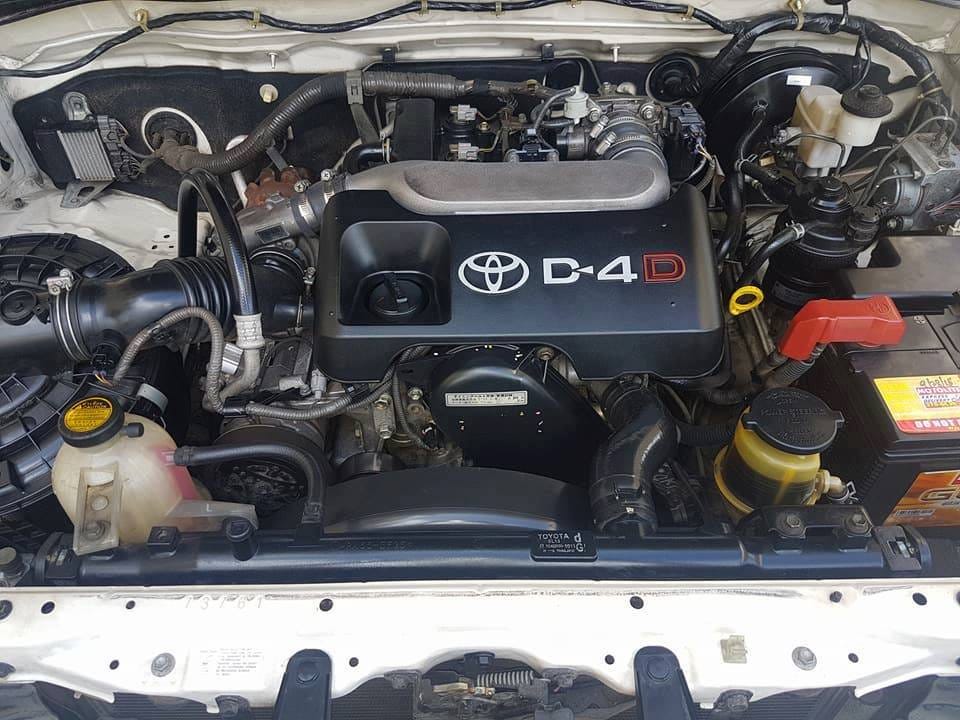
Worked at Auto Repair shop. learned how to fix cars eg. electronics, engines, cooling systems, transmission, I gained hands-on knowledge in fixing cars and I learned how to drive.
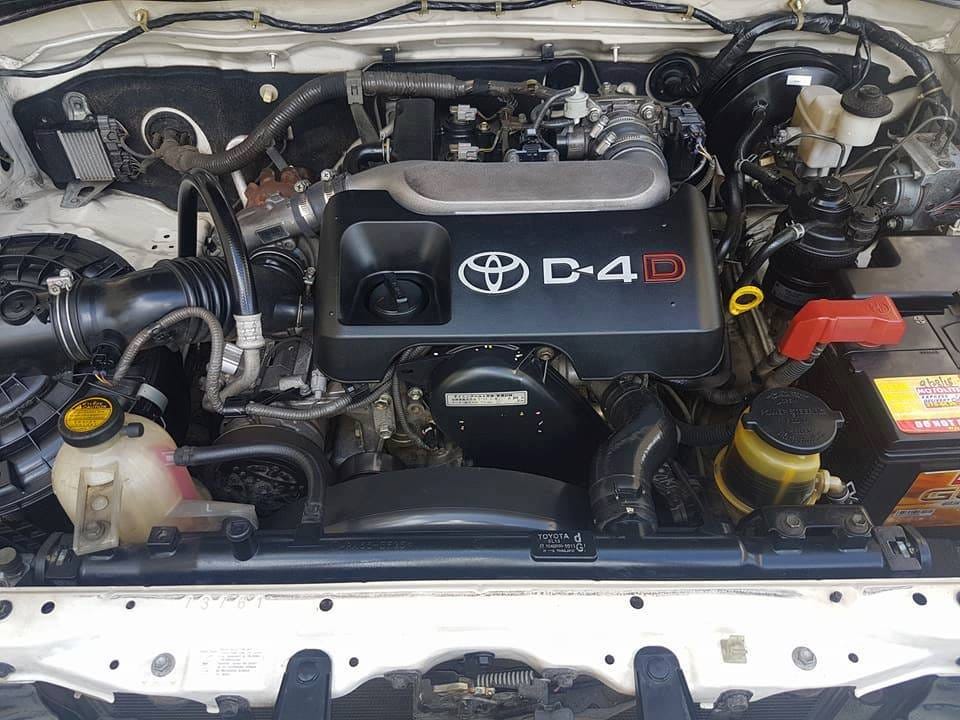
I have a deep understanding of how this system works (combustion engines), you break it, we fix it. one of my ways to money back in the day (HS days). Learn through experience.
I barely finished Secondary School due to financial issues and a lack of support. Along the way, I found myself surrounded by friends who were heading down the wrong path, making poor decisions that could have easily pulled me under, too. But something inside me knew I had to find a better way.
I enrolled in college and chose a course in IT — a field I believed held promise for my life ahead. My mother offered some financial help, which I was grateful for, even though not enough (still she was far away ). I also worked odd jobs to make ends meet.
It wasn’t easy, and it certainly wasn’t quick — it took me five years to complete what was meant to be a four-year course. But I refused to let setbacks define me.
Just as I began finding my footing in college, life threw another curveball: I became a father during my 2nd year when my first daughter was born in 2014.

The moment she came into my world, everything changed. Fear and awe mingled in equal measure — fear of whether I could provide for her, peer judgments and amazement at the miracle of holding this tiny human who depended on me. Being a young dad while juggling studies and work was overwhelming, but it also gave me a newfound sense of purpose. My dreams weren’t just about me anymore; they were about creating a better life for them.
How am I going to support my family and my schooling?
I tried applying for office jobs (hoping for better compensation and stability). But rejection after rejection came my way. Frustrated but unwilling to give up, hense I returned to what I knew best — selling. I threw myself into networking, attending meetings, joining groups, and participating in conferences. I sold everything I could think of: food supplements, pre-loved clothes, and other goods. It wasn’t glamorous or fancy, but it put food on the table for my family and kept us moving forward.
“Aut inveniam viam aut faciam” - I shall either find a way or make one.
Then, in 2016, my second daughter was born. Life felt like it was moving at two speeds— my heart was full of love and joy as a father, but my mind was racing with the weight of responsibility.
While my batchmates were proudly wearing their togas, preparing to walk across the stage and celebrate their diplomas, I was still buried under unpaid tuition and unfinished courses. The gap between where I was and where I wanted to be seemed wider than ever.
I kept pushing myself, knowing I had to grow faster—not just for me, but for my family. There were moments when dropping out of college seemed like the only logical choice.
Financially, it felt impossible to keep going. I told myself, “I don’t need a degree to succeed.” After all, hadn’t I already survived so much without one? But then it hit me —I had nothing and nobody. No safety net, no notable connections, no rich relatives. Finishing school wasn’t just about earning a piece of paper; it was proof that I could achieve something despite everything stacked against me. It was a testament to my resilience and my ability to fight through even when the odds felt insurmountable.
Finally, after years of sacrifice, late nights, and relentless determination, I graduated. The sense of accomplishment was overwhelming, but the celebration was short-lived. The pressure to provide for my family was immense. Every day was a race against time to ensure my children had what they needed while trying to build a future we could all look forward to.
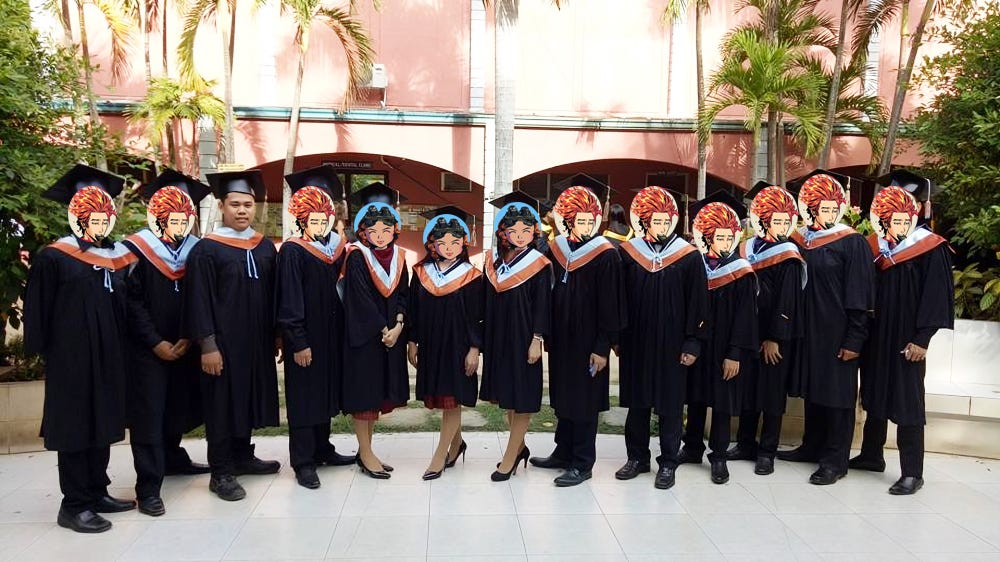
Through sheer hustle and persistence, I closed my first real estate deals. Those deals not only allowed me to pay off my remaining tuition in full but also gave me a glimpse of the potential ahead.
Post Schooling
I was offered a job in the university's MIS department, but I chose a sales career instead because I fundamentally believed it would provide better financial support for my family.
In 2017, I started working in Auto, Insurance, and Real estate industries. Yes 3 industry, since I am bound to no one, I can do it simultaneously. This a “commission-based” incentive, no “closed deals, no money” so you have to generate not only results but cash-convertible results.
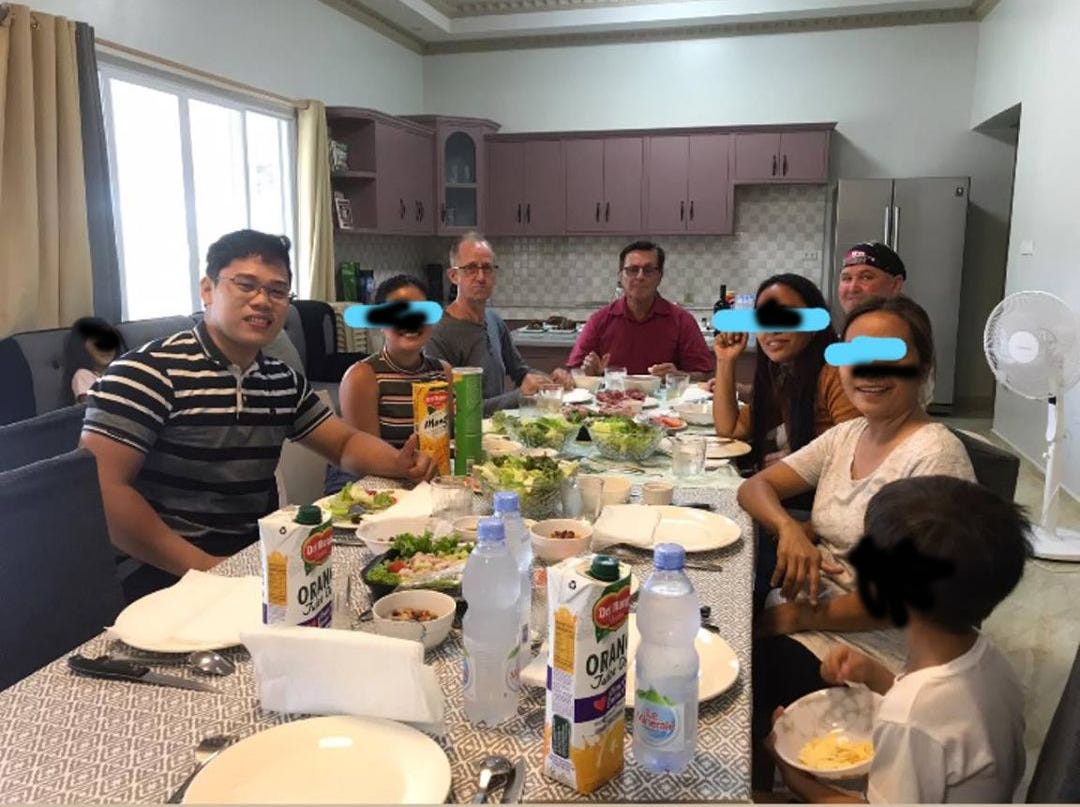
I learned sales when I was 10 and have had the opportunity to interact with people from diverse backgrounds throughout my professional life:
Meet a French guy. I took the initiative to learn some basic French (enchanté!) just to communicate to him because this guy barely speaks English (they like when you respect and learn their culture).
Chinese. This guy barely speaks a single word of English. I particularly remember him because he is the coolest Chinese guy I’ve met — remember him once he convinced me to create an account on WeChat, I had no idea what WeChat was back then but it was a pretty big deal for them. Nonetheless, we are able to communicate & do a smooth deal with him thanks to Google Translate.
Swiss Guy. This guy can speak English but he still spits out German words during our discourse so taught myself German (again basic stuff, wie gehts?).
Korean. This guy taught me about logistics (dealing with customs) & retail business, he imports goods from his country & distributes them to PH. I remember him talking about running a retail business (a distribution network is key). It was short but gain a lot of insights from him.
bunch of English (US, AU, UK). most of these were nice, but I remember, particularly this UK guy, he’s old retired married to Filipina, they seem entitled they want to be treated like a king & looks down on people. To be fair, I’ve encountered many UKs they’re all nice except this particular family despite that we still closed a deal with them.
and a bunch of local politicians and Business folks. I study their respective domains, life stories, how they make money, what’s their strategy and ask them a bunch of questions.
One of the most exciting aspects of AI, for me, is its potential to break down communication barriers. Imagine connecting with people from all over the world, who speak different languages, and yet understanding each other perfectly, as if we shared the same tongue. Communication and understanding are incredibly important in our lives, especially in today's world.
SALES
Insurance:
Joined insurance company and learned more about (i) prospecting clients, (ii) analyze their unique situations, and recommending policies that aligned with their goals, (iii) Financial planning, (iv) Variable Universal Life (VUL) plans, which combined investment opportunities with insurance (v) risk mangt. eg property damage, liability, health issues.
Beyond the technical knowledge, I honed critical skills like communication, negotiation, and the art of tailoring solutions to individual circumstances. These were lessons that went far beyond insurance and have stayed with me ever since. But, despite the valuable insights I gained, my time in the industry was short-lived.
I realized a bunch of issues that didn't align with my values at the time, such as the complexity of the claim process and gameable policies, as well as aggressive sales tactics not to mention the Geopolitical dynamics. Nevertheless, I recognize that the insurance industry provides an essential service to many and offers valuable protection against unforeseen events.
Auto:
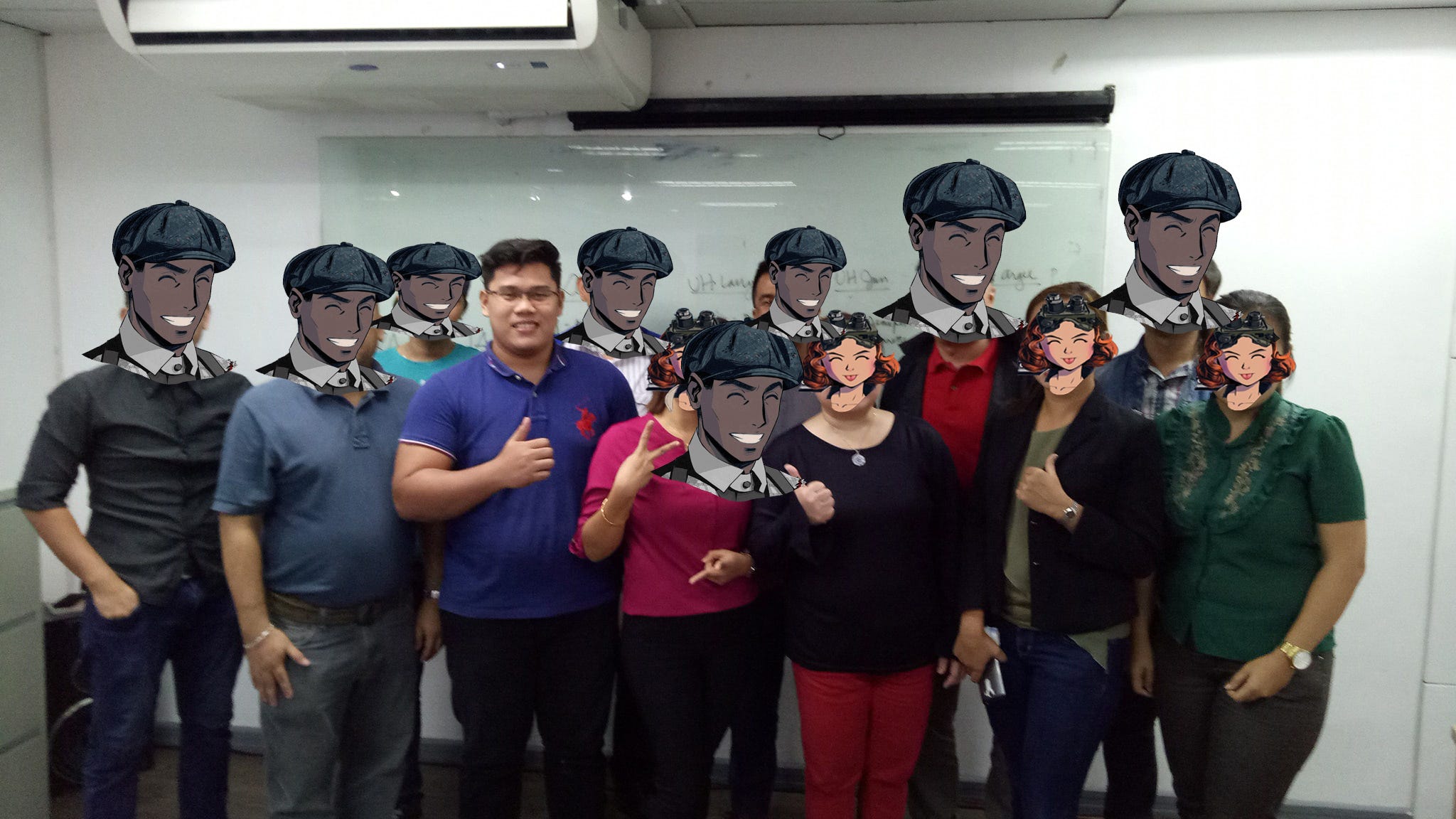
The auto industry was far more than just closing deals — it was a multifaceted journey that combined elements of auto mechanics, psychology, and even detective work. My experience in this field, particularly with “Used cars”, taught me how to read between the lines and uncover hidden truths about every vehicle we encountered.
When dealing with used cars, there was no room for shortcuts. Before we even considered putting a client behind the wheel, we meticulously inspected the unit to ensure its condition matched the story being told. This process became second nature to me, thanks to my prior knowledge of cars.
Every detail mattered:
Documents. Verifying the authenticity and completeness of paperwork to avoid potential legal or ownership issues.
Mileage Discrepancies. Digging into service records and wear patterns to confirm whether the odometer reflected the true history of the car.
Physical Condition. Each dent, scratch, leak, and unusual engine sound told a story—clues that revealed how well (or poorly) the car had been maintained.
Piecing together evidence to present an honest picture to our clients. And because of my background in car repair, I felt confident navigating these complexities and ensuring transparency. On the other hand, brand-new cars not so much, mostly communication, marketing, financing, and Customer care. It was Fun.
Real Estate:
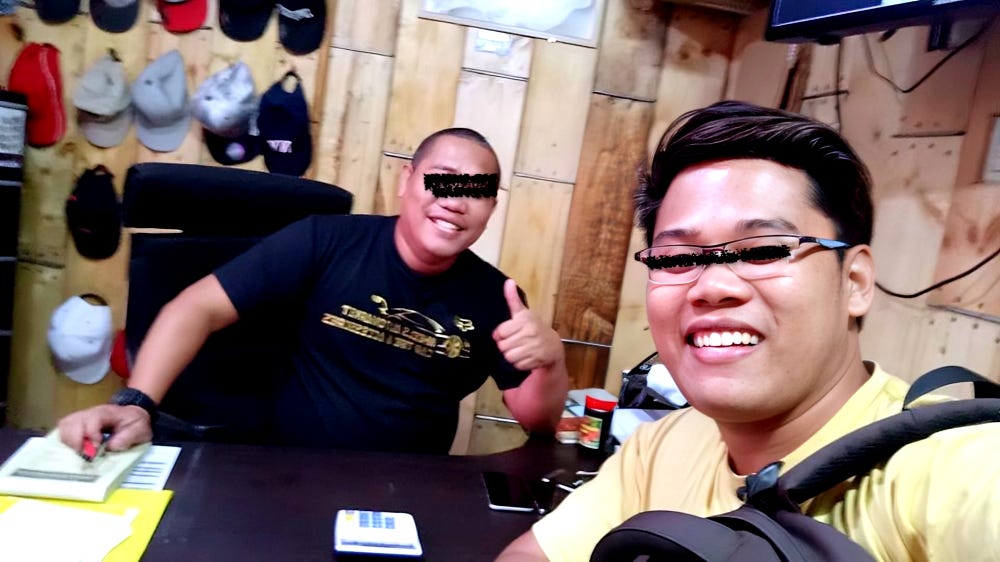
I already doing real estate sales back when I was in college and had little knowledge back then, just finding properties looking for buyers, and doing marketing (taught myself SEO, analytics, and running ads). I quickly learned that there was a lot more to the business than just finding deals — (i) understanding the market (Supply & Demand), (ii) financing options, (iii) legal stuff, (iv) regulations, (v) construction, etc.
Over the years, my journey in the industry has given me a comprehensive understanding of its inner workings—from “A-Z.” This depth of knowledge didn’t come overnight but was built through countless collaborations with investors, creditors, developers, lawyers, and various government agencies. Each interaction added another layer to my knowledge, teaching me not only about the technical aspects of the field but also about navigating complex systems and relationships.
Along the way, I’ve encountered all sorts of people, each grappling with their own unique challenges. These ranged from property-related issues — such as succession disputes, double sales, titling complications, and tax concerns — to civil matters like marriage contracts, loan agreements, and even crime-related problems.
Therefore, I taught myself law, focusing mainly on mercantile & civil law. This was important for me because I needed to understand the situations fully: what’s in the contracts, “legalese”, and industry policy, and make sure my suggestions are correct. I’m not charging any fees or pretending to be “Atty. at law” or substitute for a legal professional — offer merely based on my personal knowledge — this is one of my ways to earn people's trust and build relationships by offering service that is beyond their initial expectations.
How?
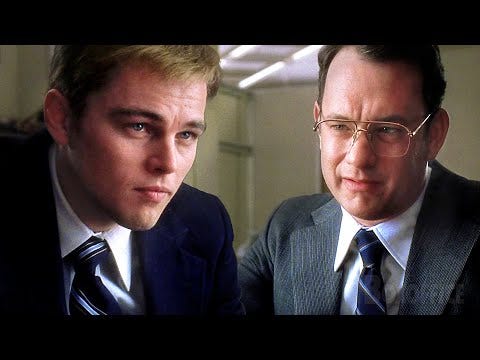
Is this scene from Catch me if you can familiar? or Mike Ross from Suits? Brilliant, self-taught, and navigating the legal world with unmatched wit. But my journey into law wasn’t quite as cinematic—or as effortless — as his. It was a slow, deliberate process, built on grit and curiosity rather than photographic memory or fictional shortcuts.
First I studied the 1987 PH constitution — a foundational text that opened the door to understanding how it shapes society. From there, I read books, studying jurisprudence and SC decision cases (read a lot). I listened to oral arguments and legal debates, absorbing the rhythm and logic of the law. I followed influential lawyers and legal minds online, repeat — from real-world encounters to theory.
Btw, This is my childhood dream profession because back in the day I had a deep admiration for lawyers, but times changed (Tempora mutantur, nos et mutamur in illis), and was not privileged enough to send myself to a formal law school, but that didn’t stop me from pursuing knowledge in my own way.
We started flipping houses and foreclosed properties, diving headfirst into auctions and handling every aspect of the process — from document preparation and pricing to negotiations, finding suppliers, and managing workers. Communication is key, as coordinating so many moving parts requires clarity and precision.
Along the way, I met various builders/contractors, learning how to select the right materials and manage projects effectively. I even taught myself the basics of reading architectural plans, (the drawing basics).
When it comes to renovations, client preferences are crucial. Every detail mattered—paint colors, fixture brands, material quality, and deadlines. Mistakes weren’t an option; they were costly to fix and could tarnish our reputation. This isn't like software where you can patch things up on the fly.
You see, sales aren’t just about selling (at least from my own perspective); it's about providing value to people through quality service, solving problems, and helping them achieve their goals. This is challenging because it involves different people with different goals. Through this journey, I’ve learned the importance of having strong agency, quality decision-making, and getting things done—no excuses. “You make a promise, make sure you deliver those promises”.
My goal back then was to meet the “REITs' folks”. But, unfortunately.
COVID Happens a Paradigm Shift
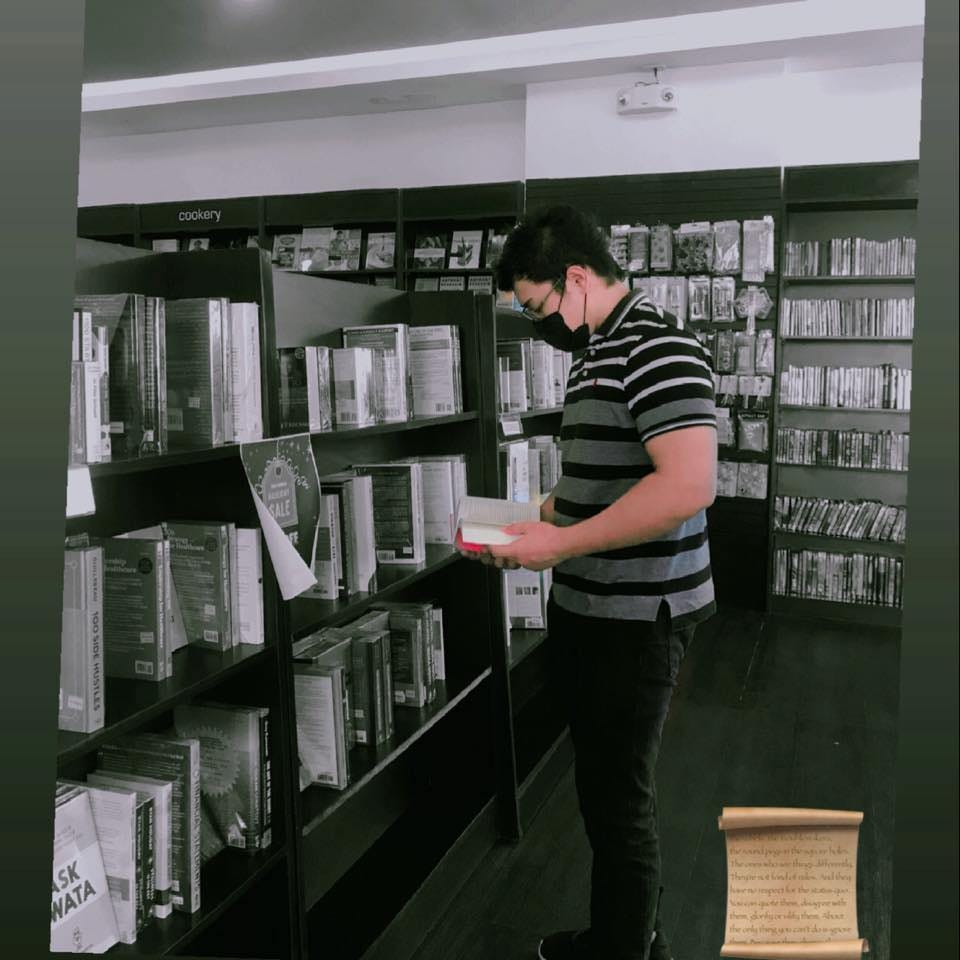
Since the pandemic started, I’ve been consuming a lot of textbooks, pub papers, and podcasts from a wide range of topics (eg. physics, finance, probability & game theory, philosophy, AI, bio, etc). Just follow my curiosity wherever it leads and I hope it’ll last throughout my lifetime. It's been an eye-opening journey that has made me realize how much the conventional school system can stifle our natural curiosity.
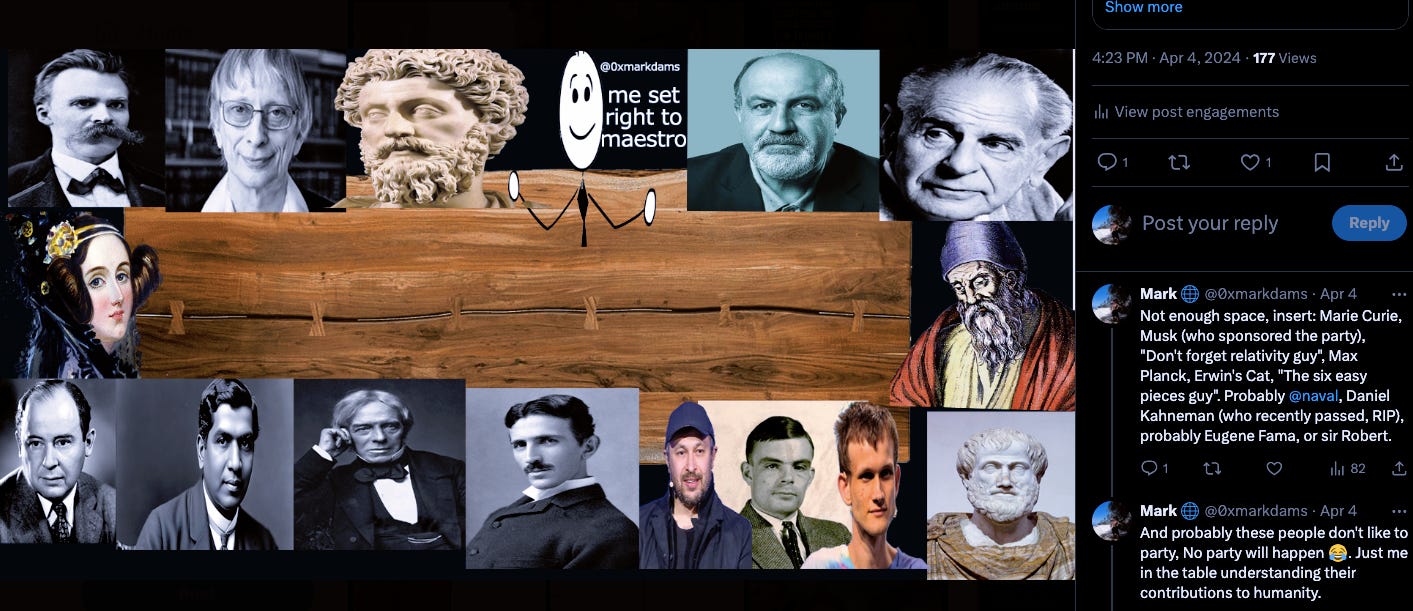
I study the lives and works of great people across multiple disciplines. Mostly men, as I grew up without a father — it became a way for me to connect with the wisdom and guidance I lacked (writing this part made me emotional). I perceive these figures as brother/father figures who spoke to me and guided me through their stories and contributions to humanity (my heroes).
Started to take care of my own health, Thanks to Peter Attia’s work especially his Podcast (study lipids with sir Dayspring), and others like them who have contributed towards becoming fit and healthy relatively, and offered a lot of valuable insights, not BS., not selling you food supplements (I have no problem with people selling these things, I used to earn my living selling food supplements back in the day w/o knowing the implications).
I Love learning about different cultures around the world — reading books and articles, watching documentaries, etc. It's fascinating to see how people live, what they believe in, and what makes them unique. I fundamentally believe understanding different cultures helps us become more open-minded and connected to the wider world.
As uncle Iro put it “It is important to draw wisdom from many different places. If you take it from only one place, it becomes rigid and stale”.
Stepping Outside the Comfort Zone
I began exploring new bigger opportunities, eager to test my potential and expand my horizons. Unfortunately, luck is not my friend (OMNIA CAUSA FIUNT - Everything happens for a reason). I can’t help but wonder: Is it my credentials? Do “labels” really carry that much weight? While I have no issue with people proudly presenting themselves as Dr., PhD, Engr., or Atty., I find myself more inspired by individuals like Feynman, Taleb, Perelman, Sapolsky, and others alike.
Comparison, (albeit often viewed negatively by some) has quietly fueled my drive— a motivator. It’s not about resenting others’ success; it’s about channeling that energy into growth. If someone else can achieve greatness, why not me? That mindset pushes me to keep learning, adapting, and striving for better.
That said, there’s nothing wrong with pursuing higher roles or formal qualifications if they align with your goals and circumstances. People are different, and everyone has their own path.
For me, independent learning has been transformative. Reading great books, taking courses, and following insightful voices on platforms like X (formerly Twitter) have expanded my knowledge in ways I never imagined possible. The internet has democratized access to information, allowing anyone with determination to grow and evolve.
The tools for learning are abundant. It’s the desire to learn that’s scarce. -Naval Rvikant
I want to push myself further, take risks, & “hope” to reach my full potential & build something “hopefully” that contributes to a better future — improving lives or having a positive impact on not only my kin but also countless others. I don’t desire fancy things (eg. fame, mansion, prestige, yacht, bulletproof car, etc). I don't fundamentally believe those things would bring me “True Joy”.
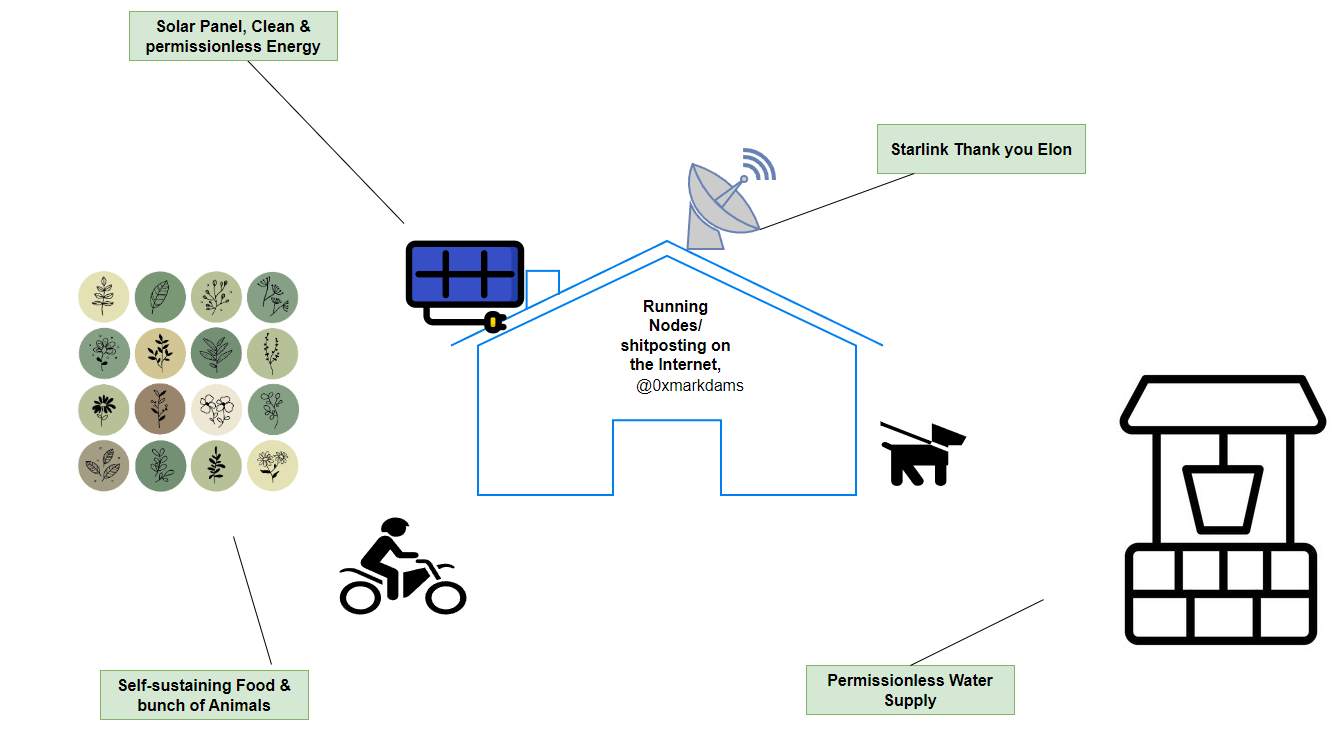
I've been knocked down countless times, but I know it doesn't matter how many times you fail, what matters is you don't quit. I remember Sir Jenseng Huang saying “I hope suffering happens to you”, I fundamentally believe in him & deeply understand what he meant. What/who gives me energy and strength? Aside from mitochondria —my family.
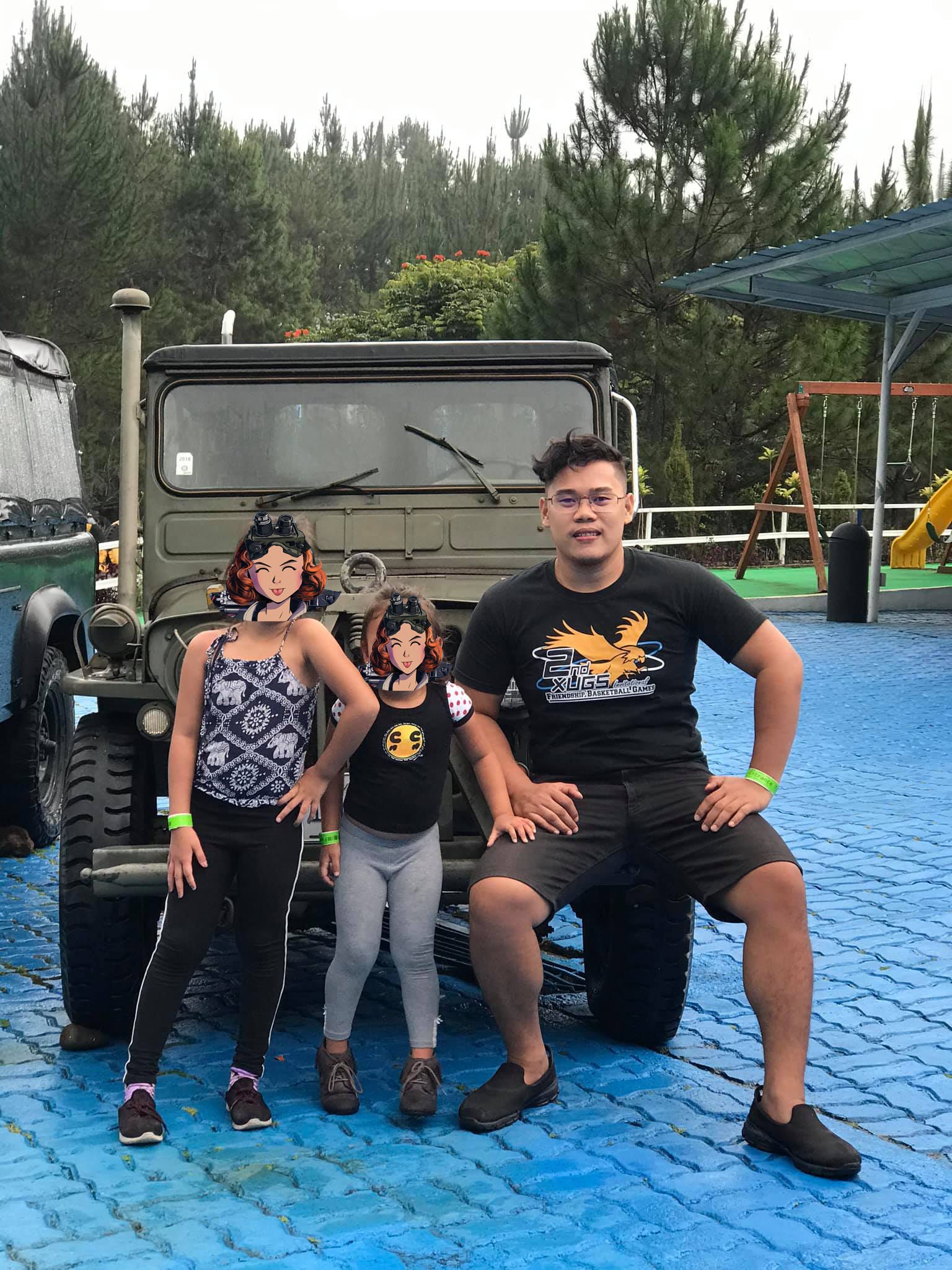
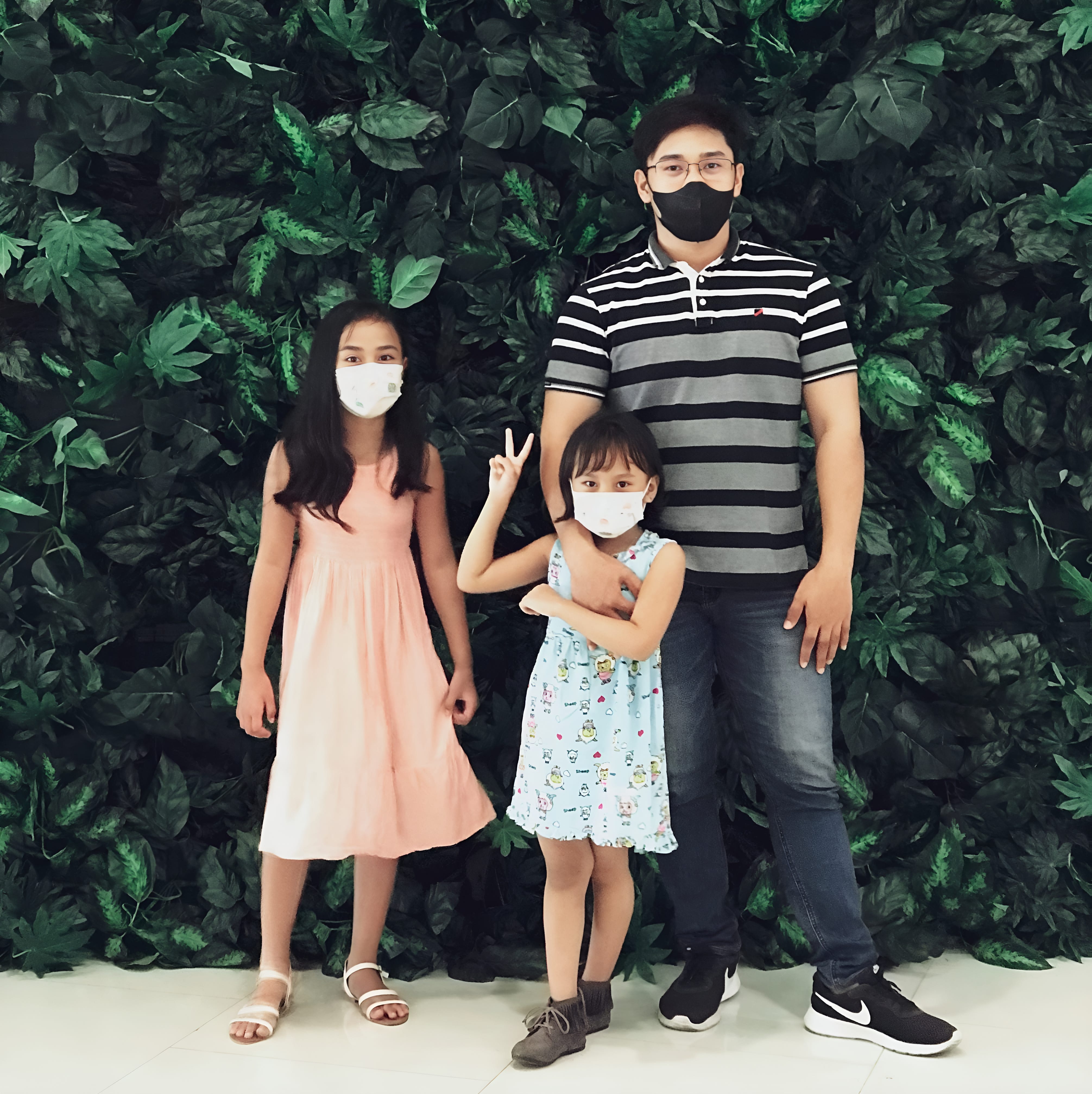
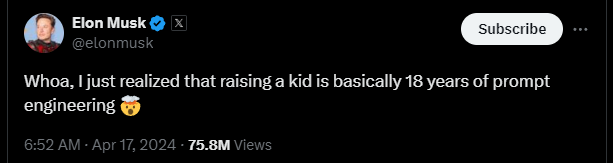
Elon Musk knows.
Change games
Okay, where are we? ah Yes, Crypto, I have a lot of stories about crypto but just give you brief summary. And Yes! I don’t fundamentally believe there is such a thing as “free will” (but at a personal level—I believe people be held accountable for their actions). Willing to change minds when presented with good explanations and Sir Brett Hall is doing the best job.
One reason, I wanted to be closer to my “perceived” brothers (a.k.a “tech bros”) and do crypto was because it was easier for me since it was remote-friendly, and couldn’t get a visa. Love to reverse engineer most things follow my curiosity, and I think it’s cool to build something people like.
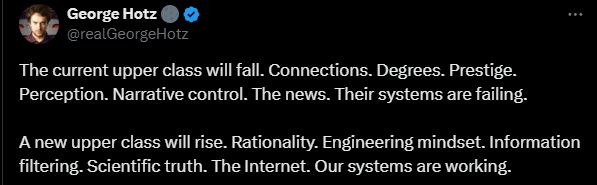
I have had an account on Twitter since 2011 and have been following the right people & been posting about philosophy, science, AI, tech, etc.
Started creating content about crypto and posted it on Twitter, which perhaps led to my account being abruptly suspended in March 2024 without any prior warnings. Thanks to Twitter Algo. No, I don’t want my account back, I’m tired of running the appeal.
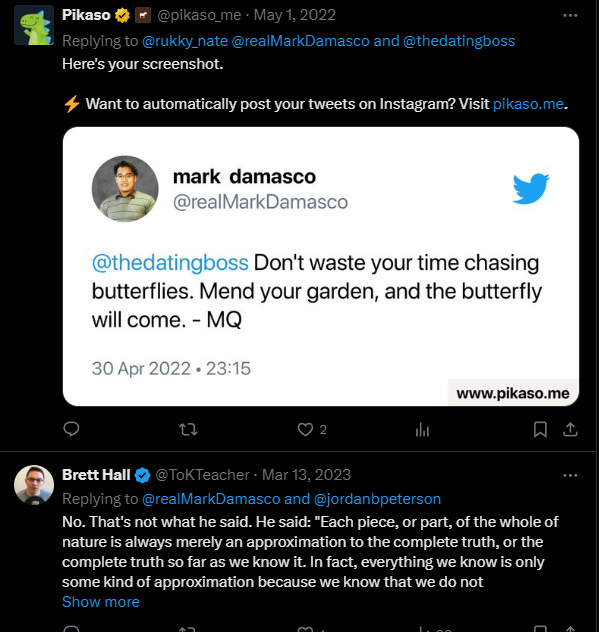
Exploring Crypto (HISTORY)
I remember joining and investing in a crypto Project way back in 2018 that launched an ERC-20 token, and I do mostly BD stuff, running TG, and social media accounts, and educating people. I am super Ignorant about crypto during this period, I just got hooked on it because a colleague kept on pushing me to invest (aka “Shilling”) — they (i) brag about the things they bought, (ii) the amount of money they make, (iii) the notable persons in our town that also invested in it (iv) celebrity they hire that also invested in it (classic Ponzi scheme), (v) and a bunch of Social proof and virtue signaling.
I had no idea about crypto back then, though experience creating various school projects, and not take it seriously, merely compliance.
Web Inventory & monitoring system (PHP, JS).
Enrollment system Android app & web (Java, JSON): I remember my low-spec PC can’t run an Android studio emulator, thus I run it on the Internet cafe where I pay/hour.
clone Game Flappy Bird (c# in unity). just Youtube (Love you Indian Bros) Stackoverflow, w33schools, and Google. It’s tough back in the day.
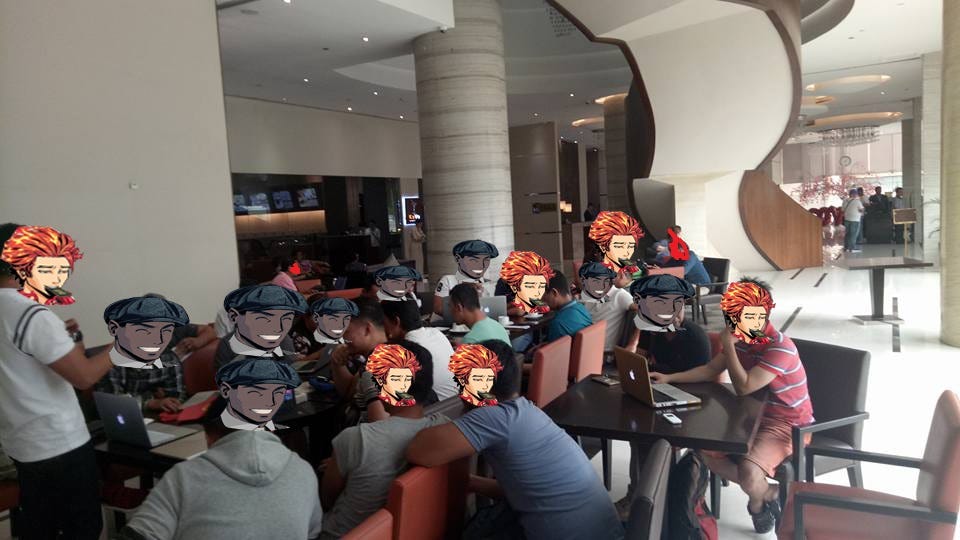
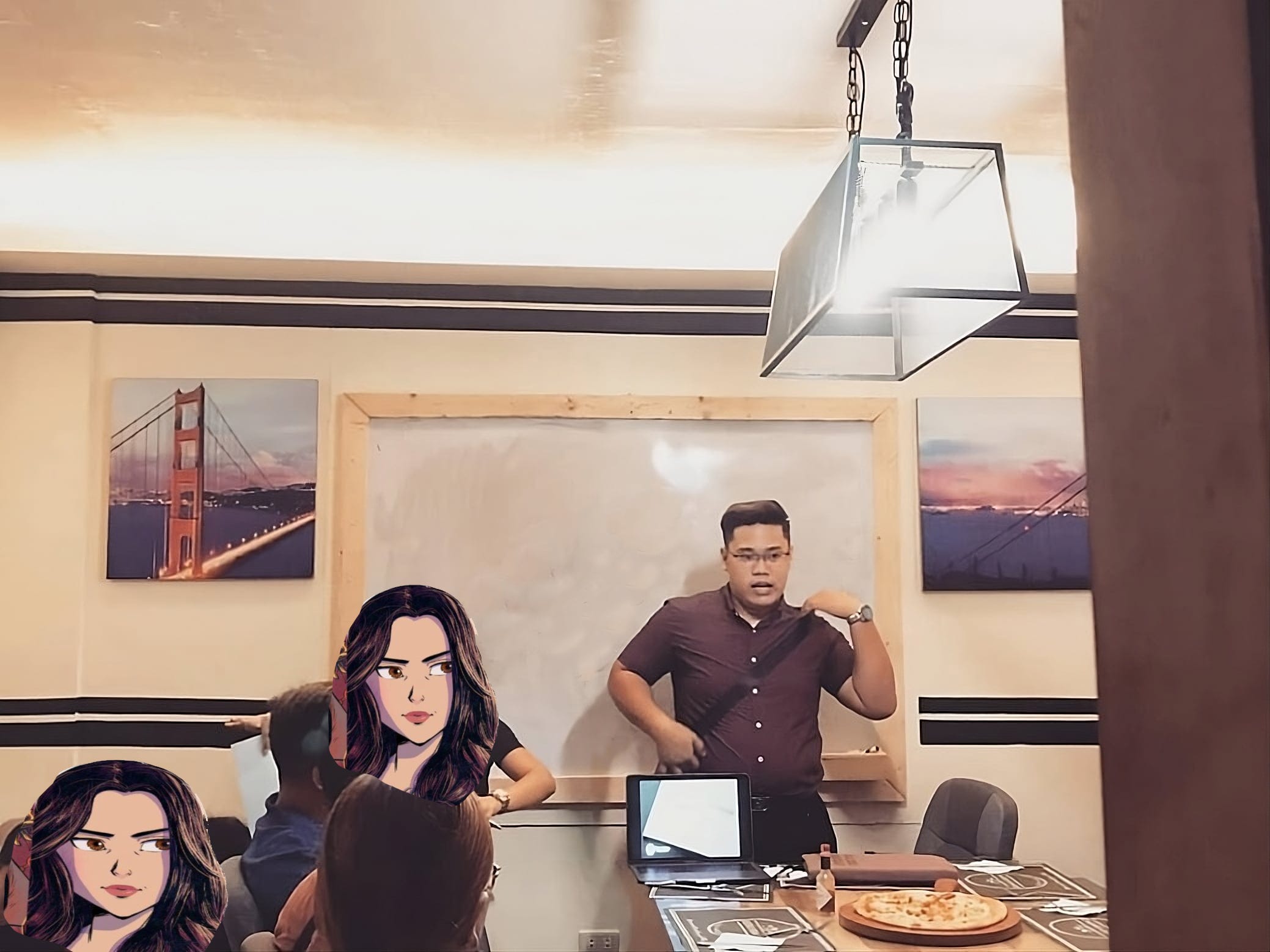
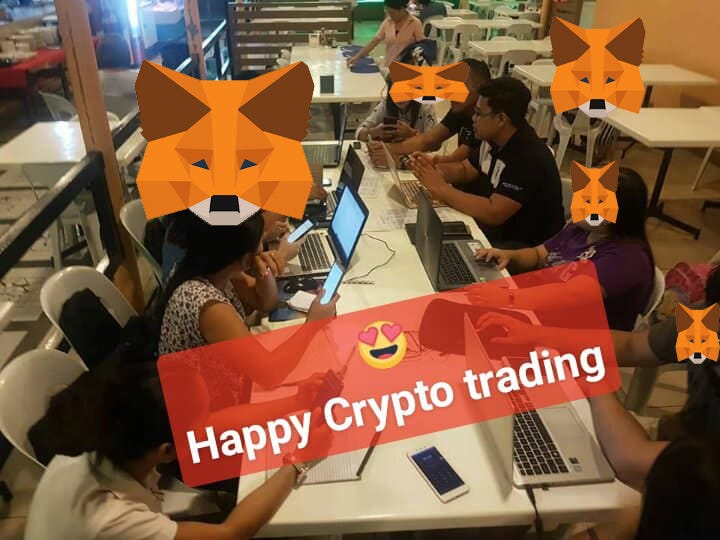
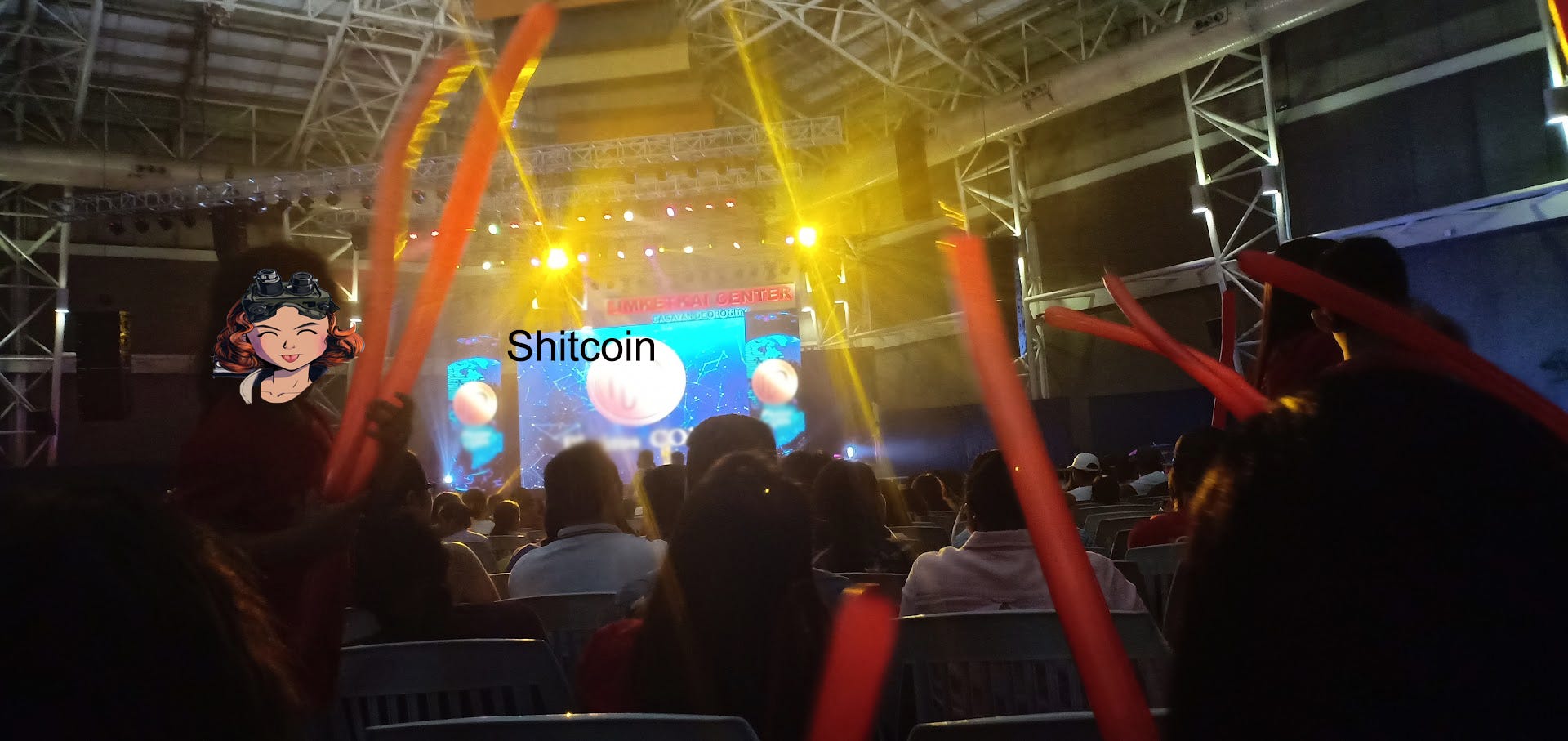
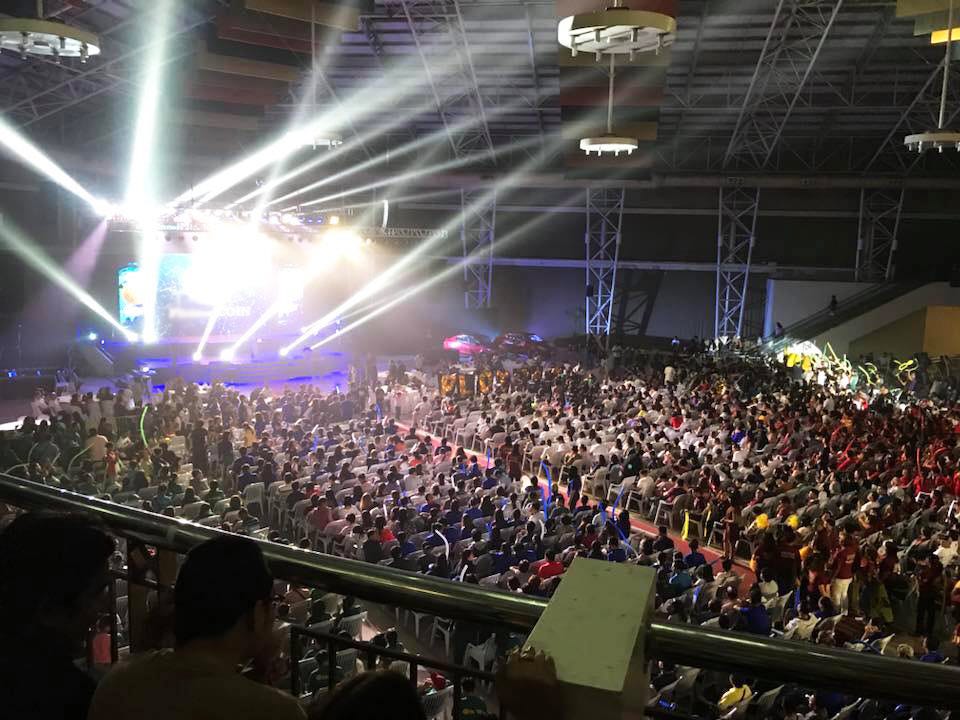
I invested mostly my personal savings into that rug project which just lasted for a couple of months, we listed it on a Turkey-based exchange which I believe is now defunct (basically, it is for scamcoins). I experienced firsthand a government investigation & dealing with the local SEC, at first founder defended it by hiring a former SEC lawyer.
We spend countless hours trying to put the founders behind bars, but no known whereabouts. After that, tried to forget everything about crypto and the damage it has done to my family and other people.
Lesson: as Warren Buffet put it “Never invest in business you don’t understand.” & “When investing, pessimism is your friend, euphoria the enemy.”
Exploring Crypto (Present)
I started doing research and writing content for the Solana ecosystem and participated in hackathons, done countless hours of research (papers from 1980ish up to the present, studied a bunch of white papers— early ETH folks are amazing).
“If you have seen further than others, it is by standing upon the shoulders of giants.”— Isaac Newton
Along the way, I embraced the ethos of the Cypherpunk's Manifesto, which champions decentralization, privacy, and empowerment through technology.
Done countless hours of crafting that piece see here.
I don’t fundamentally like the idea of winning (for there to be winners, there must be losers) but need to win to play longer, contributing to something bigger than yourself, and ensuring you stay in the game long enough to make an impact. The rest, as they say, is history.
Thanks to METAME, one of the nicest and most real people I’ve encountered thus far. Additionally, MadLads, Huddle01 (promising projects), & Solana Collectiv (Friendly & Fun Community).
Since then, I have continued doing research and started reading/writing Rust code. I had no idea how to code in Rust, but through sheer repetition, I have begun to make sense of it. Thanks to YouTube, Labs, and ChatGPT. Github here.
Analytics has also become a key focus for me. SQL, a skill I picked up during college, has now taken on a new life. Back then, I learned it out of necessity; today, I use it for discovery and exploration, platforms like Dune & Flipside to analyze data and uncover insights. It’s rewarding to see how these skills not only enhance my understanding of the space but also open doors to earning opportunities.
I tried to DM some crypto personalities to get feedback or some help on how to play the game. Unfortunately, they are busy (No single person in this world is busy; everyone has their own priorities) Or perhaps they think of me as a scammer trying to send them phishing links (lol). Nonetheless, I'm sure they're good and friendly people, and I respect their boundaries.
Based on my observation thus far, no one here cares about you on a personal level; they only care about what you can bring to the table — everyone has a different “table” and these tables often compete to prove which is more valuable based on the color of the candle (red or green)—again were only talking about “tables”.
In a highly experimental & competitive environment, people will prioritize their own goals and well-being above considering the needs or feelings of others this is called “Rational Self-Interest”. Play or don’t play, but don’t try to put people down who want to play the game.
Founders with a short-term mindset often prioritize “quick bucks” over long-term sustainability and adopt a “public good” mindset; without considering the broader implications of their actions — leverage all the gimmicks known by few to capture “normies” sentiment and milk them — I believe it’s fundamentally flawed “Incentive Model”.
Additionally, everyone is living within a “bubble” and every bubble has its own way of thinking—if this bubble is full of idiots, they attract more idiots and they will attack anyone who challenges their way of thinking (classic tribalism).
I believe this must be changed or aspire to be an example to think otherwise — one that values collaboration and understanding. But most “don’t give a f***” anyway. Emulate what works; praise the success — classic survivorship bias.
This is my look-up to people in the Crypto Industry who contributed insights indirectly: Thank you sers.
The past is your lesson. The present is your gift. The future is your motivation.
THE FUTURE
I am deeply grateful for my journey — the highs, the lows, and the people who come and go, each leaving their mark on my path. Regardless of what is (people give you a blessing or a lesson), I embrace the evolution of life and the endless possibilities it brings.
As a techno-possibilist, I see the transformative potential of crypto or technology in general to benefit the world, and I’m excited to explore how we can build a better future together. Don’t hope for a better future — build it!
Can a nobody coming from literally nothing make it? what is the best tool to use? how can I leverage my knowledge? and how can I maximize my limited resources? How can I make a positive impact? That is the question.
This is my first personal BLOG POSTS and A summary of life — nothing Fancy. I’ll continue to improve. Thank you for reading in my little bubble. No one/path fits all— Follow what sparks your curiosity.
If you have any suggestions or feedback feel free to reach out to me on Twitter or facebook.